

Food Prices in the Netherlands Will Keep Rising into 2027 With Increasing Energy Costs
ABN Amro warns that fixed energy contracts protecting food producers are about to expire, just as the sector remains heavily dependent on natural gas. Meanwhile, the gap between organic and regular food prices has widened sharply.

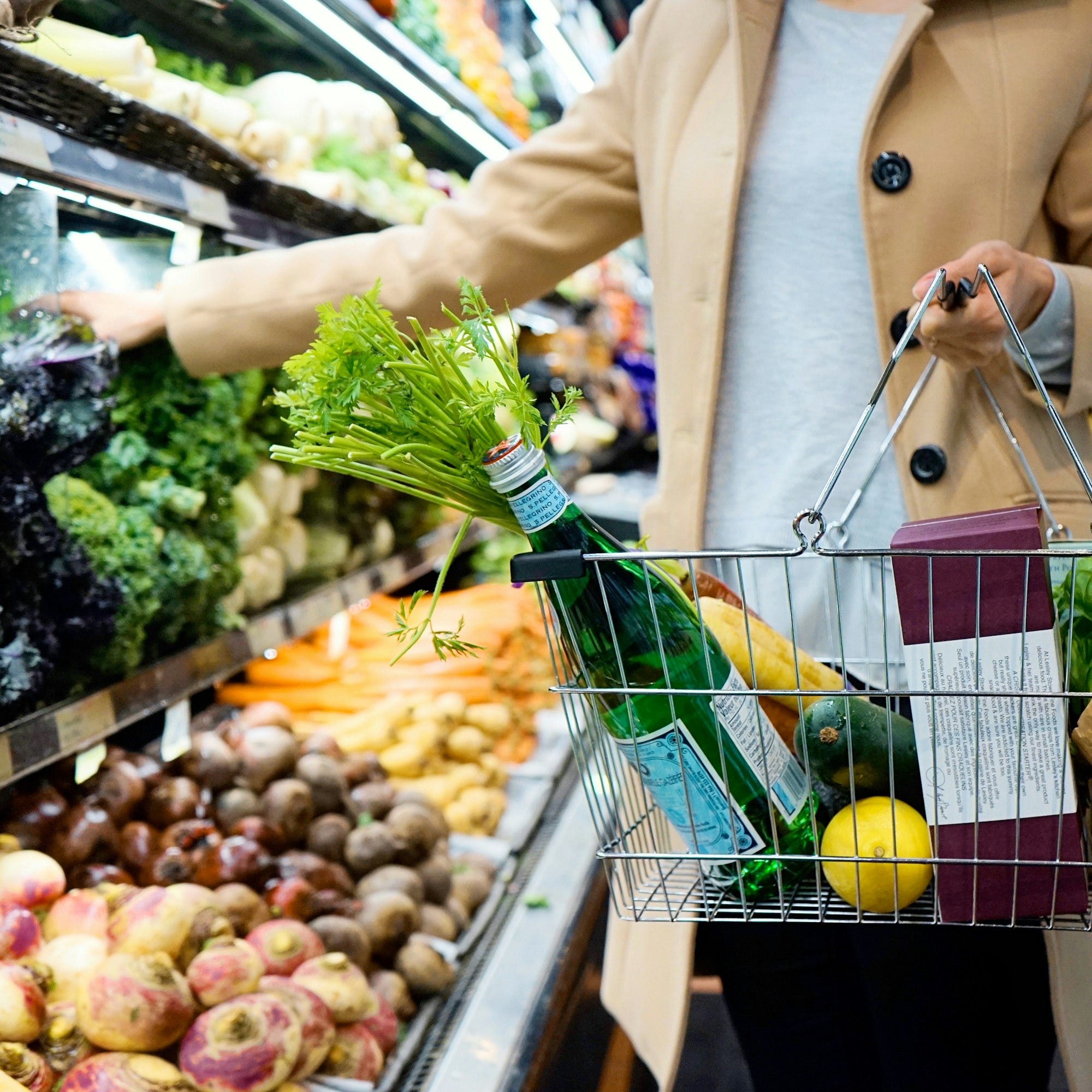
Shoppers in the Netherlands should brace for more price rises at the supermarket, as a new report from ABN Amro warns that food prices are likely to keep climbing well into 2027. The bank says rising energy costs are about to start filtering through to the shelves, with some increases already visible.
Rentals in the Netherlands

Signaal tracks the Dutch rental market and notifies you the moment something matches your search. Be first to apply.
What is already going up
Some food categories have already seen sharp increases. Egg prices rose 18.4 percent in March, and meat went up by around 10 percent across the first quarter of 2026. Non-alcoholic drinks were 10.4 percent more expensive across all of 2025. Not every product is following the same path, however. Global dairy prices actually dropped 19 percent over the past year due to a record milk supply, although that drop has not yet reached Dutch supermarket shelves.
Why prices are rising
The main reason behind the looming price rises is energy. The Dutch food and drinks industry relies heavily on natural gas, which makes up about 70 percent of its energy use. After the 2022 energy crisis, most food companies took out fixed energy contracts to protect themselves against price spikes. Those contracts begin to expire later this year, and with the ongoing war in the Middle East pushing energy prices higher, the cost increases are expected to land on supermarket shelves soon after.
The food industry has also been slower than other sectors to reduce its energy use. Since 2022, food companies have cut energy consumption by 5.5 percent, less than half the 11 percent reduction achieved across the wider Dutch economy. Switching from gas to electricity is technically difficult for processes like pasteurising, evaporating and drying, which require very high temperatures. Hydrogen could be an alternative, but it is not yet economically viable.
There is also another obstacle: companies that do want to switch to electricity often cannot, because the Dutch electricity grid is overloaded, a problem known as net congestion. New or upgraded electricity connections are blocked across much of the country.
The most exposed sectors
Some parts of the food industry are particularly vulnerable. The flour industry is 89 percent gas-dependent, despite cutting consumption by 24 percent since 2021. Fruit and vegetable processors and the dairy sector are similarly reliant on gas. Slaughterhouses are an exception, with a much lower 42 percent gas dependence.
Wages add a second layer of cost
On top of energy, wages are adding to the pressure. Collective labour agreements, known as cao's, in the food sector are rising by an average of 3.7 percent for 2026. How much of these combined energy and wage costs end up on shoppers' bills will depend on negotiations between food producers and supermarkets later this year.
Organic food is pulling further away from regular
While the broader food industry braces for further price increases, the gap between organic and conventional food has already widened significantly. According to a new price survey from consumer watchdog Consumentenbond, organic products in the Netherlands are now on average 66 percent more expensive than their non-organic equivalents. Two years ago, that gap was still 48 percent.
The Consumentenbond surveyed prices of 166 organic products at 13 supermarket chains in March 2026. Lidl came out as the cheapest for organic products, with prices 19 percent below the average, followed by Vomar, DekaMarkt and Dirk. Specialist organic shops Ekoplaza and Odin were the most expensive, although they offer the broadest organic ranges. Among the regular supermarkets, Albert Heijn, Jumbo and Plus had the largest selection, with more than 1,000 organic products each.
The widening gap appears to be a trend break. The price difference between organic and regular food had been falling for the previous five years, dropping from 63 to 48 percent. The Consumentenbond suggests it is now growing again because supermarkets are focusing on keeping their own private-label products affordable, while keeping margins on organic products higher. Higher labour costs in organic production, where more work is done by hand, also play a role.
Shoppers are pulling back
The squeeze is already showing up in consumer behaviour. Consumer confidence in the Netherlands plummeted in April, in the second-largest monthly drop on record. Households are increasingly switching to private-label brands and eating out less, while also being more selective about what they put in their basket.