
NS Takes Two Dutch Cities to Court Over Arriva Night Train Subsidy
NS says they would have bid differently if they knew subsidies were on the table.

Dutch national rail operator NS is suing the municipalities of Almere and Lelystad over subsidies they provide to competitor Arriva for a weekend night train service. NS argues the funding arrangement violates the principles of "open access" rail competition, which requires operators to run services at their own cost and risk.
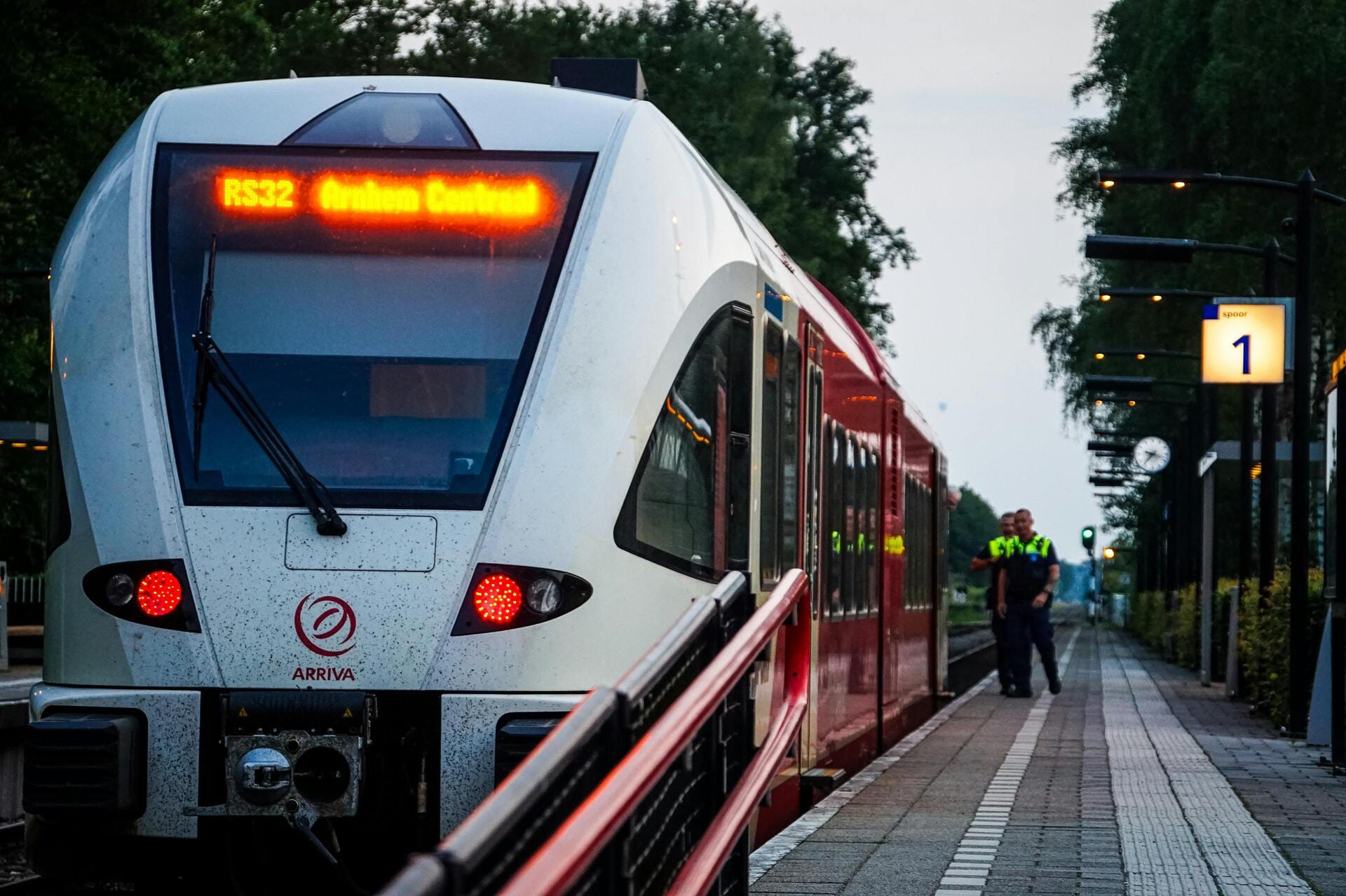
The night train in question runs between Zwolle and Schiphol Airport on Friday and Saturday nights, with stops in Lelystad and Almere. Since the service launched in March 2025, the two municipalities have together guaranteed up to 200,000 euros per year for Arriva. The arrangement works as a sliding scale: ticket revenues are subtracted from the guaranteed amount, so the more passengers use the train, the less the municipalities pay.
What is open access?
Open access is an EU framework that allows train companies to operate services on railway networks without needing a government concession. The idea is to encourage competition by letting operators run trains when the main concessionaire (in the Netherlands, that's NS on most routes) isn't running services. The catch is that open access operators are supposed to bear all commercial risk themselves, without public subsidies.
Arriva, which is owned by Deutsche Bahn, applied for open access to run these night services. The Dutch Authority for Consumers and Markets approved the application in 2021, finding that Arriva's trains would have minimal impact on NS operations.
How the dispute started
NS was originally in talks with Almere and Lelystad to run the night train itself. The company asked for about 93,000 euros per year, which the municipalities were willing to pay. But when Arriva entered the picture, NS withdrew from negotiations. An NS spokesperson told Omroep Flevoland that the company assumed Arriva would operate without subsidies, as open access rules appeared to require.
When NS later discovered that Arriva was receiving municipal funding after all, it filed a formal objection with both municipalities in February 2025. The municipalities rejected the complaint in December, ruling that NS was not a stakeholder in the matter and therefore had no standing to object.
NS disagrees. A spokesperson said the company had been involved in discussions about the night train from the start, and might have made different decisions had it known subsidies were available.
Legal questions
The case will go before the College van Beroep voor het bedrijfsleven, a specialised court for business disputes with government bodies. NS says it isn't trying to kill the night train, but wants clarity on what's permitted under open access rules. These rules are relatively new in the Netherlands, and this dispute could set precedent for future services.
The municipalities have defended their approach by pointing to European regulations that allow local authorities to set maximum ticket prices and compensate operators for the difference. They argue this isn't a traditional subsidy for train operations, but rather a guarantee to keep fares affordable.
Arriva has said the service wouldn't be viable without some form of financial support. Whether that matters legally remains to be seen.
The night train keeps running
For now, the service continues as normal. The two-year pilot is scheduled to run until March 2027. Tickets cost 5, 10, or 15 euros depending on distance and must be purchased through Arriva's Glimble app or the 9292 journey planner, not via OV-chipkaart.
Arriva already runs other open access night trains in the Netherlands, including services from Groningen and Maastricht to Schiphol that launched in late 2022. Those services operate without municipal subsidies. The company has also applied to run an international open access train from Groningen to Paris, with a decision expected this year.
No date has been set for the court hearing.


