


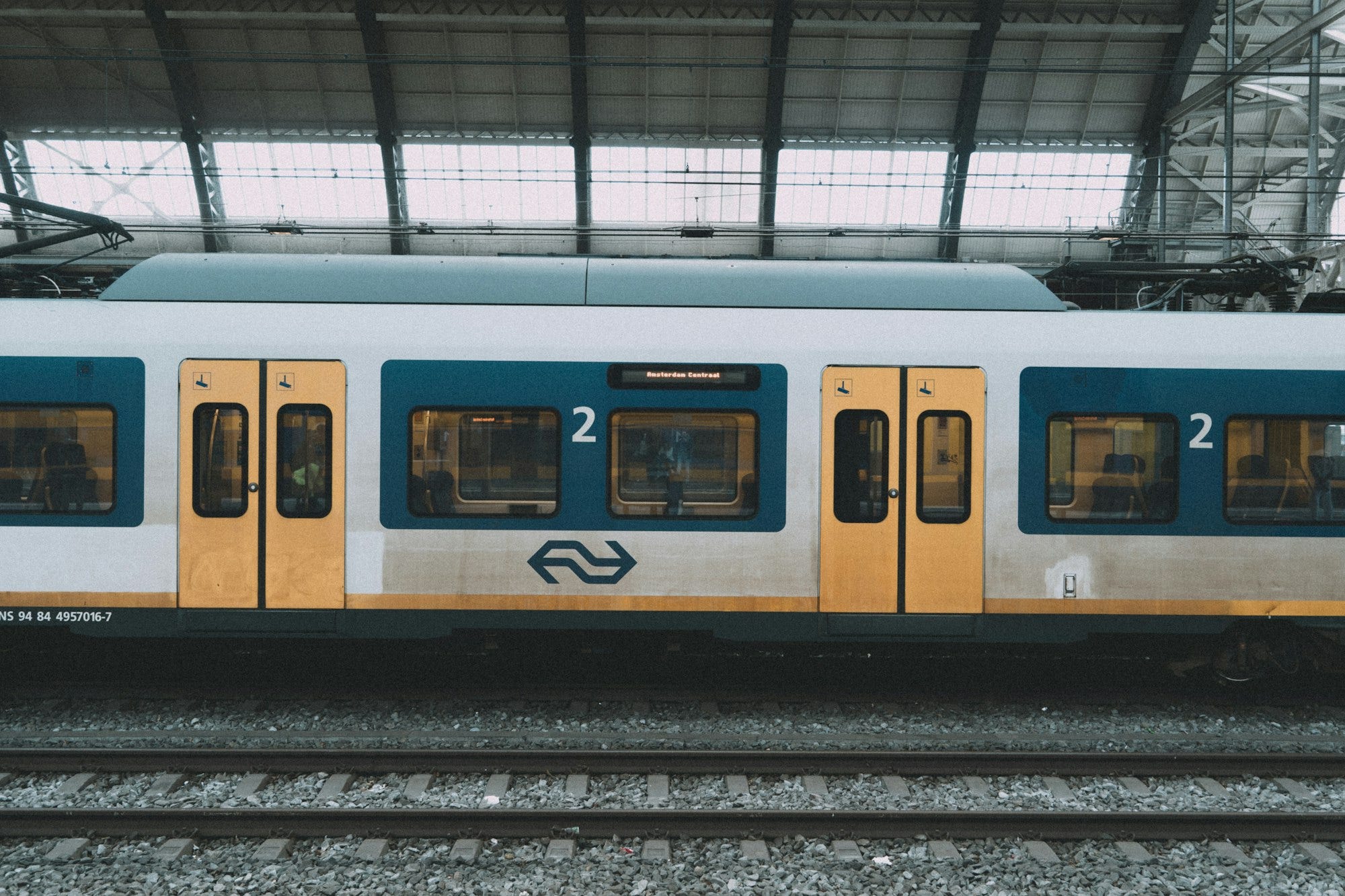
Dutch national rail operator NS has rolled out bodycams for its head conductors, following a successful pilot and growing concern about aggression on trains. The first devices were handed out by State Secretary Annet Bertram at Den Haag Centraal on Tuesday morning. The rollout will continue throughout 2026 until all 3,500 head conductors are equipped.
Rentals in the Netherlands

Signaal tracks the Dutch rental market and notifies you the moment something matches your search. Be first to apply.
Why it is happening
On average, three NS staff members experience aggression every day. Head conductors deal with both verbal and physical aggression, and women are also confronted with sexual intimidation. State Secretary Bertram called the aggression "completely unacceptable" and said: "If conductors feel safer, passengers feel safer too."
Trade union FNV has reported that the number of serious incidents involving NS staff has continued to rise, reaching 1,132 per year.
What the pilot showed
In 2024, 100 head conductors took part in a pilot with the bodycam. The results showed the cameras improved conductors' sense of safety and had a de-escalating effect, helping to prevent incidents. The effect appeared greater in the evenings compared to during the day. Most passengers in the pilot expressed understanding for the use of bodycams.
One head conductor, Nomi, said: "During the pilot I noticed I experienced far less verbal aggression than before." Another conductor, Jelger, added: "The bodycam will not prevent the worst cases of aggression, but it does raise the threshold for people to become aggressive towards us."
How the system works
Conductors can press a record button when they see a situation that risks escalating, or when they suspect a criminal act is taking place. The camera then also saves the 60 seconds of footage recorded before the button was pressed. Only the head conductor and authorised NS staff may view the footage. Police and the public prosecution service can also request the recordings. All footage is automatically deleted after 28 days.
Before wearing a bodycam, conductors must complete a training course covering how the device works and in which situations recording is appropriate. The cameras are funded by the Ministry of Infrastructure and Water Management, with a total budget of €12 million.
Not a silver bullet
Researcher Ritsema van Eck cautioned against expecting too much from the cameras. "If you want to prevent aggression, don't expect too much from a bodycam, because someone who is drunk or has taken drugs is not suddenly going to calm down because they see a camera." However, for most situations, the visible presence of the camera does appear to reduce aggression before it escalates.
Other providers already use them
Regional carrier Arriva has required all its enforcement and inspection staff to wear bodycams since 2020. Staff at Arriva are positive about them and say they can barely imagine working without them. "I'm glad to have it. It has definitely benefited me. It gives you more peace of mind," said one Arriva employee.