
Netherlands to Scrap Plastic Tax on Takeaway Containers
Consumers in the Netherlands will no longer pay extra for single-use plastic containers starting in 2026

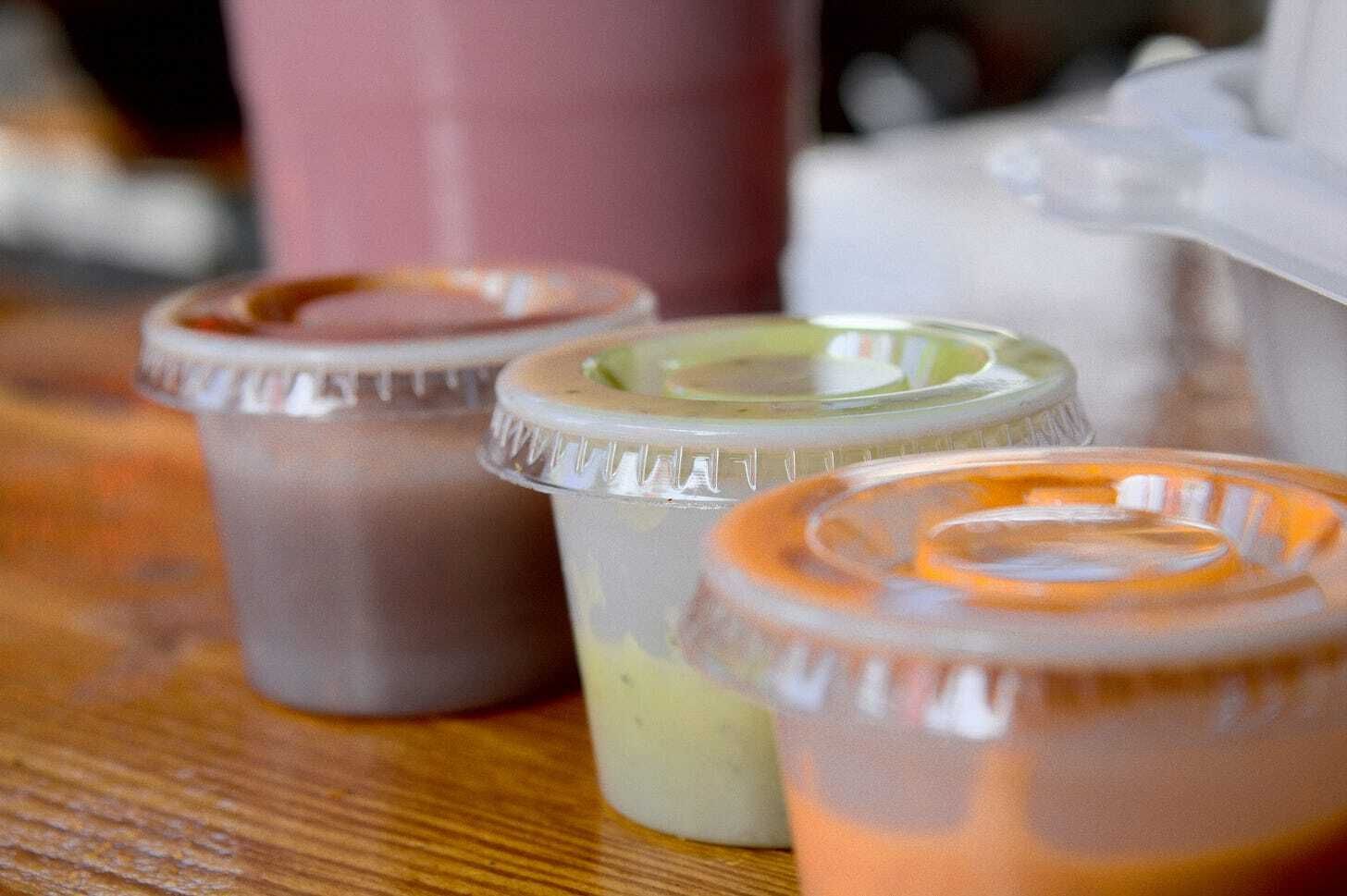
The Dutch government has agreed to remove the surcharge on single-use plastic packaging, following pressure from parliament. This decision marks a major shift in the country’s policy on reducing plastic waste.
Reversing the Plastic Surcharge
Since July 2023, businesses in the Netherlands have been required to charge extra for single-use plastic takeaway containers as part of a European directive to reduce waste. The recommended surcharge was 25 cents for plastic cups and 50 cents for food containers. The goal was to encourage consumers to choose reusable alternatives and reduce plastic pollution.
However, after strong opposition from several political parties, the government has decided to eliminate the surcharge from January 1, 2026. Parliament argued that the measure increased costs for consumers while failing to achieve its intended environmental impact.
Parliament’s Concerns and Opposition
A majority in parliament, including the VVD, PVV, BBB, SP, DENK, and FvD, supported removing the tax. They argued that the surcharge placed an unnecessary financial burden on consumers, especially during a time of economic difficulty.
VVD MP Martijn Buijsse stated: “People are being forced to pay extra at a time when every euro matters. Meanwhile, businesses face more rules and bureaucracy, and the environment isn’t actually benefiting.”
The motion also allows businesses to use paper cups with plastic linings again, as long as they implement a collection and recycling system. Supporters of the decision believe this approach will reduce environmental harm while being more practical for businesses.
Mixed Reactions from Environmental Groups
Not everyone agrees with scrapping the surcharge. Environmental organisations, including the Plastic Soup Foundation, have criticised the decision, arguing that price increases can successfully change consumer behaviour.
They pointed out that a similar charge on plastic shopping bags led to a 70% drop in their use. They argue that removing the surcharge will likely lead to increased plastic waste. According to their estimates, Dutch residents use around 19 million disposable packaging items per day, adding up to nearly 7 billion per year.
Government Response and Future Plans
State Secretary Chris Jansen, responsible for Infrastructure and Water Management, acknowledged parliament’s decision, stating, “You make the final decision.” However, he also pointed out that the Netherlands still needs to follow European regulations on plastic waste reduction.
“If we remove certain measures, we may need to introduce alternative policies elsewhere,” Jansen said. The government is now reviewing how to align this change with EU environmental goals.
For now, businesses and consumers can expect the plastic surcharge to be removed by 2026, but the debate over the best approach to reducing plastic waste in the Netherlands continues.


